




A lightweight Java library that compares two images of the same size, pixel by pixel, and highlights the differences by drawing rectangles around them. Commonly used for visual regression / automation QA tests. Published on Maven Central.
- About
- Requirements
- Configuration
- Release Notes
- Usage
- Demo
- License
- Contributing
- Code of Conduct
- Other Projects
About
image-comparison compares an expected and an actual image and returns an ImageComparisonState of MATCH, MISMATCH, or SIZE_MISMATCH. On a mismatch, it produces a result image — a copy of actual with the differing regions outlined in rectangles.
Key points:
- No third-party runtime dependencies — implementation uses only standard JDK/AWT features.
- Tolerant pixel comparison — two pixels at the same coordinates are only considered “different” if their RGB distance exceeds
pixelToleranceLevel(configurable, see below). - Excludable regions — parts of the image can be excluded from comparison (and optionally still drawn on the result image), useful for ignoring dynamic content like timestamps.
- Real-world usage examples can be found in Usage Image Comparison.
Background on the project: How did the test task become a production library (habr.com).
Requirements
- Java 8 or higher.
Configuration
All configuration is set via fluent setters on ImageComparison (e.g. .setThreshold(10)), each returning this so calls can be chained.
| Property | Description | Default |
| — | — | — |
| threshold | Max pixel distance for two differing pixels to be grouped into the same rectangle. Increase for images with sparse/scattered differences, decrease for tightly-packed diffs. | 5 |
| rectangleLineWidth | Width, in pixels, of the drawn rectangle outline. | 1 |
| destination | File to write the result image to. If null, the result is only available via ImageComparisonResult.getResult(). | null |
| minimalRectangleSize | Minimum rectangle size (width x height) to be included in the result; smaller diffs are discarded. | 1 |
| maximalRectangleCount | Max number of rectangles drawn, keeping the largest first. -1 draws all rectangles. | -1 |
| pixelToleranceLevel | RGB distance tolerance for two pixels to be considered equal. Range 0.0-0.99. | 0.1 (10%) |
| excludedAreas | List<Rectangle> of regions to skip during comparison. | empty list |
| drawExcludedRectangles | Whether to draw the excludedAreas outlines on the result image. | false |
| fillExcludedRectangles | Whether to fill the excludedAreas rectangles on the result image. | false |
| percentOpacityExcludedRectangles | Fill opacity for excluded rectangles, 0.0 (transparent) to 100.0 (opaque). | 20.0 |
| fillDifferenceRectangles | Whether to fill the difference rectangles on the result image. | false |
| percentOpacityDifferenceRectangles | Fill opacity for difference rectangles, 0.0 (transparent) to 100.0 (opaque). | 20.0 |
| allowingPercentOfDifferentPixels | Percent of differing pixels (0.0-100.0) still allowed while staying MATCH. | 0.0 |
| differenceRectangleColor | Outline/fill color for difference rectangles. | Color.RED |
| excludedRectangleColor | Outline/fill color for excluded rectangles. | Color.GREEN |
Release Notes
Can be found in RELEASE_NOTES.
Usage
Installation
Maven
<dependency>
    <groupId>com.github.romankh3</groupId>
    <artifactId>image-comparison</artifactId>
    <version>4.4.0</version>
</dependency>
Gradle
implementation 'com.github.romankh3:image-comparison:4.4.0'
Compare two images programmatically
Basic usage — compare two images and check the resulting state:
        //load images to be compared:
        BufferedImage expectedImage = ImageComparisonUtil.readImageFromResources("expected.png");
        BufferedImage actualImage = ImageComparisonUtil.readImageFromResources("actual.png");

        //Create ImageComparison object and compare the images.
        ImageComparisonResult imageComparisonResult = new ImageComparison(expectedImage, actualImage).compareImages();

        //Check the result
        assertEquals(ImageComparisonState.MATCH, imageComparisonResult.getImageComparisonState());
Save the result image
There are two ways to save the result image:
1. Pass a destination file to the constructor — ImageComparison saves the result image itself.
        //load images to be compared:
        BufferedImage expectedImage = ImageComparisonUtil.readImageFromResources("expected.png");
        BufferedImage actualImage = ImageComparisonUtil.readImageFromResources("actual.png");

        // where to save the result (leave null if you want to see the result in the UI)
        File resultDestination = new File( "result.png" );

        //Create ImageComparison object with result destination and compare the images.
        ImageComparisonResult imageComparisonResult = new ImageComparison(expectedImage, actualImage, resultDestination).compareImages();
2. Save it explicitly with ImageComparisonUtil.saveImage.
        //load images to be compared:
        BufferedImage expectedImage = ImageComparisonUtil.readImageFromResources("expected.png");
        BufferedImage actualImage = ImageComparisonUtil.readImageFromResources("actual.png");

        //Create ImageComparison object with result destination and compare the images.
        ImageComparisonResult imageComparisonResult = new ImageComparison(expectedImage, actualImage).compareImages();

        //Image can be saved after comparison, using ImageComparisonUtil.
        ImageComparisonUtil.saveImage(resultDestination, imageComparisonResult.getResult());
Demo
Demo shows how image-comparison works.
Expected Image
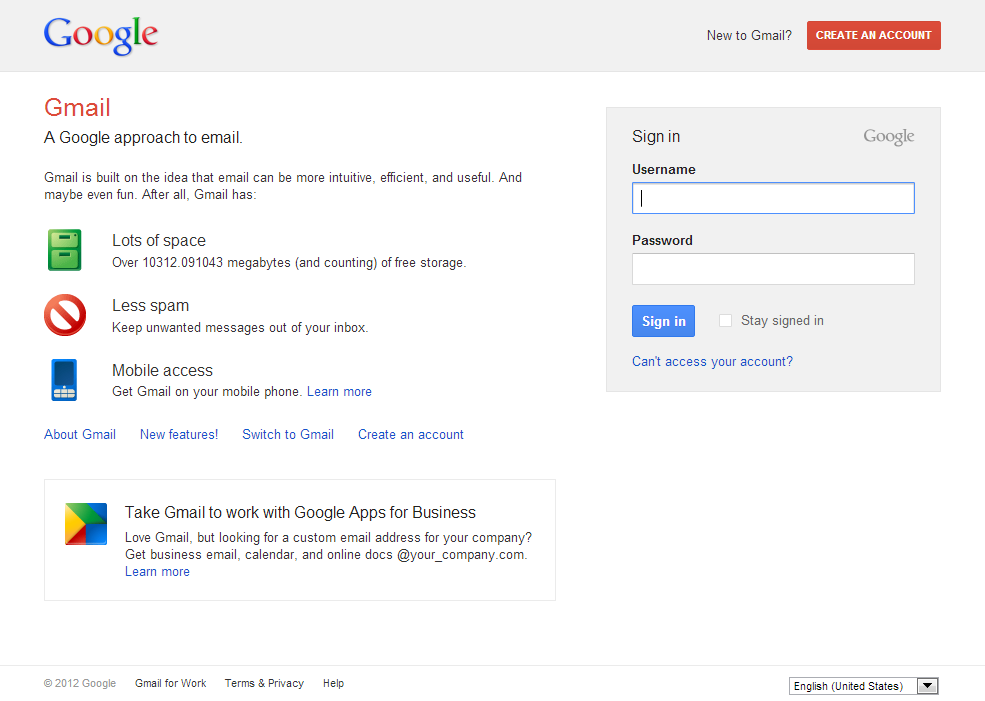
Actual Image

Result

Contributing
Please, follow Contributing page.
Code of Conduct
Please, follow Code of Conduct page.
License
This project is Apache License 2.0 - see the LICENSE file for details
Thanks @dee-y for designing this logo
Also if you’re interesting - see my other repositories
- skyscanner-flight-api-clinet - Client for a Skyscanner Flight Search API hosted in Rapid API
- Flights Monitoring - app for monitoring flights cost based on Skyscanner API
- Raspberry home ecosystem - home ecosystem based on raspberry pi.
- Movie Tracking - Simple API for tracking movies with favorite actors for the specific time.
- Tic Tac Toe NxM - Own implementation. For any rectangle and any winner line count.